Decision guide
Understand tests, screening, and diagnostic choices
Pregnancy care can include routine tests, screening tests, diagnostic tests, and monitoring. The names sound similar, but their purposes and certainty are not the same.
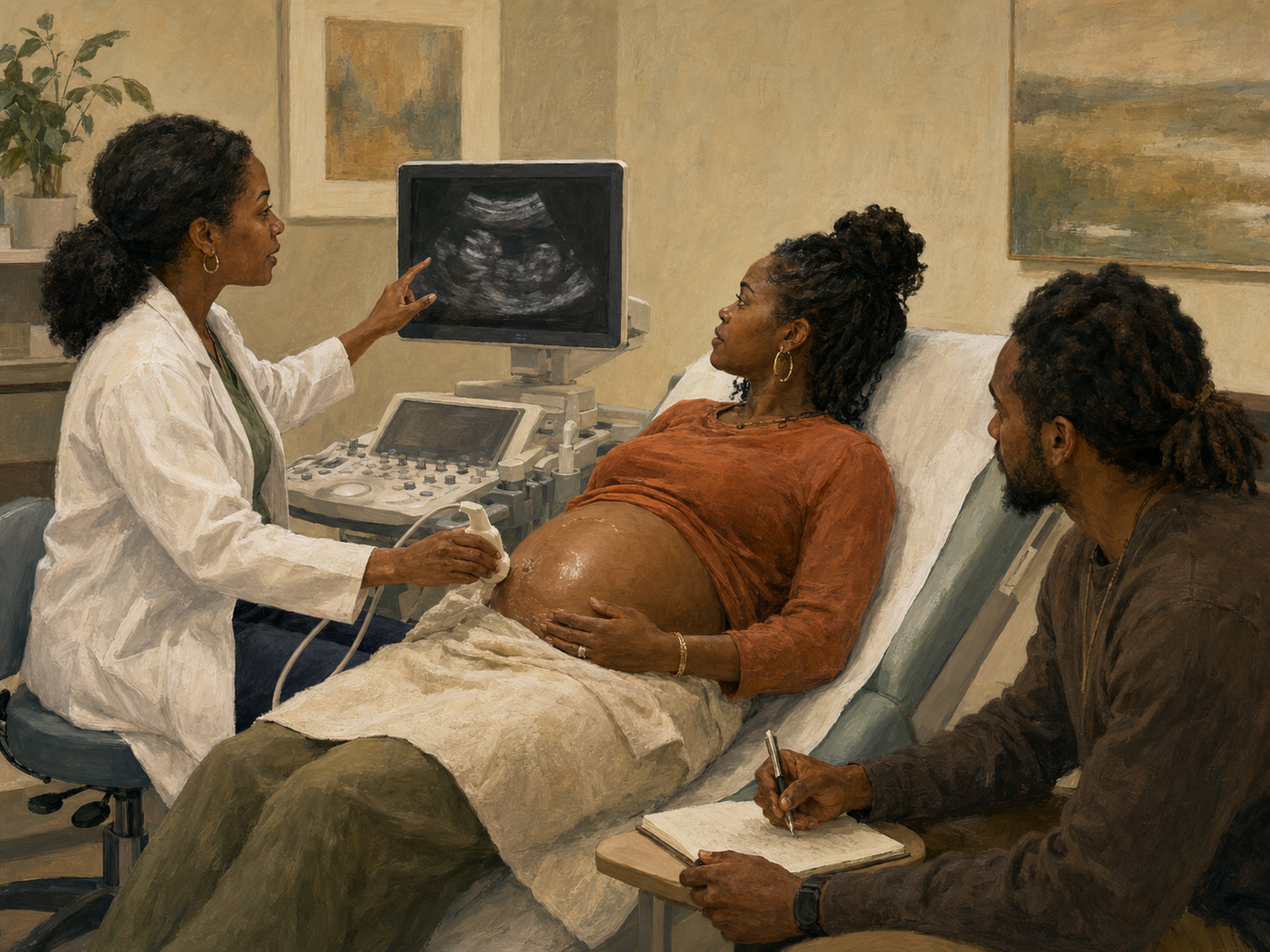
Start with the purpose
Ask whether a test checks your health, estimates a chance, looks for a specific condition, or monitors a known concern. A screening result is not the same as a diagnosis.
- What question does this test answer?
- How accurate is it in this situation?
- What are the possible next steps?
- Is there a time window for deciding?
Ask what a result could change
A result may lead to reassurance, repeat testing, a diagnostic procedure, additional monitoring, preparation for care after birth, or no change at all. Understanding the pathway can make consent more meaningful.
Keep your own record
Record the test name, date, purpose, result, and next step. Avoid interpreting an isolated number without the ranges and context provided by your care team.
Separate screening from diagnosis
A screening test estimates the chance that a condition may be present. A diagnostic test is intended to answer a more specific question, but can involve different limits or risks. Ask the care team to use those words explicitly so the next step is easier to understand.
- Is this routine screening, targeted screening, diagnostic testing, or monitoring?
- What are false-positive and false-negative results?
- Would a result change pregnancy care, birth planning, or care after birth?
- Who can help explain an unexpected result?
Plan for the waiting period
Before leaving, write down when results are expected, how they will appear, and whom to call if the expected date passes. Decide whether you want a support person present when results are opened or discussed.